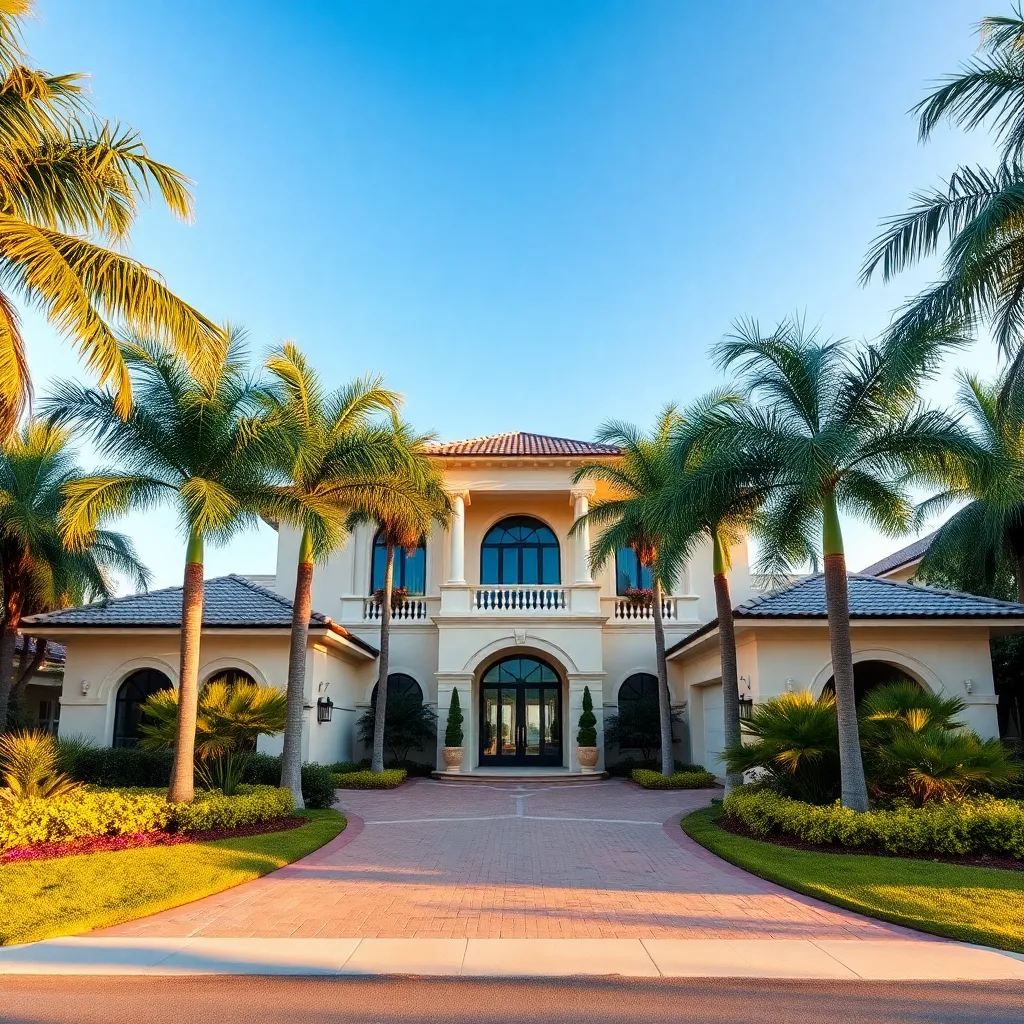
Buying your first home in Florida is exciting, but navigating the insurance landscape can be overwhelming. Florida’s unique risks — hurricanes, flooding, older building stock — mean insurance here works differently than in most other states. This guide walks you through everything you need to know, from what inspections to expect to common coverage gaps that catch new homeowners off guard.
When to Start Shopping for Insurance
Start shopping for homeowners insurance as soon as your offer is accepted — ideally 3–4 weeks before your closing date. Your mortgage lender requires proof of insurance at closing, and you’ll need to provide an insurance binder or declarations page at least 3 business days before.
| Timeline | Action |
|---|---|
| Offer accepted | Begin gathering insurance quotes immediately |
| 3–4 weeks before closing | Order 4-point inspection (if home is 20+ years old) |
| 3–4 weeks before closing | Order wind mitigation inspection |
| 2 weeks before closing | Select carrier and finalize policy |
| 7–10 days before closing | Receive insurance binder |
| 3 days before closing | Provide proof of insurance to lender (required minimum) |
| At closing | Pay first year’s premium upfront |
The 4-Point Inspection
Most Florida insurers require a 4-point inspection for homes older than 20 years. This inspection evaluates the four major systems that affect a home’s insurability:
- check_circleRoof — Age, type, and condition of roofing materials. This is the most critical factor.
- check_circleElectrical — Type of wiring and overall system condition. Knob-and-tube or aluminum wiring can make a home very difficult to insure.
- check_circlePlumbing — Type of pipes (copper, PVC, cast iron, polybutylene), condition, and water heater age.
- check_circleHVAC — Heating and cooling system age and condition.
A 4-point inspection typically costs $75–$125 and does not reduce your premium — it’s used solely to determine whether the property is insurable. If any system fails, you may need repairs before a carrier will offer coverage.
The Wind Mitigation Inspection: Your Biggest Savings Opportunity
Unlike the 4-point inspection, a wind mitigation inspection can save you serious money. Florida law requires insurers to offer premium discounts for verified wind-resistant features, and the savings can range from 3% to 55% on the wind portion of your policy — potentially hundreds or even over a thousand dollars per year.
The inspection evaluates roof-to-wall connections, roof covering type, secondary water resistance, and opening protection (impact windows, shutters). It costs $95–$120 and the savings typically pay for the inspection within the first few months.
The My Safe Florida Home program offers free wind mitigation inspections and matching grants for hardening upgrades. The program received $280 million in new funding for 2025–2026. Check mysafeflhome.com for eligibility.
Citizens vs. Private Insurance
Citizens Property Insurance is Florida’s state-created insurer of last resort — it’s meant for homeowners who can’t find coverage in the private market. While it’s an important safety net, Citizens is generally more expensive than private options. In November 2025, the average Citizens policy for $300,000 dwelling coverage cost $9,582/year compared to $5,838/year in the private market.
The good news: 17 new insurance companies have entered the Florida market since recent reforms, and competition is improving. Citizens itself approved an average 8.7% rate reduction for 2026. Always compare Citizens quotes with at least 3 private carriers before making a decision.
Coverage Gaps New Homeowners Often Miss
Flood Insurance
This is the biggest gap. Standard homeowners insurance does not cover flood damage — period. Not from storm surge, not from heavy rain, not from rising water. In Florida, where afternoon thunderstorms can drop inches of rain in minutes and hurricane storm surge can reach miles inland, a separate flood policy is essential. FEMA data shows 40%+ of flood claims come from outside high-risk zones. Don’t assume you’re safe because your zone designation says low risk.
Sinkhole Coverage
Standard homeowners policies in Florida exclude sinkhole damage (except for catastrophic ground collapse cover, which has a very narrow definition). Sinkhole endorsements are available but require geological testing and carry higher deductibles. Costs range from $300–$800/year in lower-risk areas to $2,000–$5,000+ in high-risk counties.
Water Backup
Damage from backed-up sewers or drains is excluded from standard policies. This endorsement typically costs only $30–$50 per year but can save you $15,000 or more in damage costs. Always add it.
How Much Does Homeowners Insurance Cost in Florida?
Florida homeowners insurance averages $3,240–$4,500 per year for standard coverage — 2 to 3 times the national average. Coastal areas and older homes can run $6,000–$10,000+ per year. Key cost factors include location, home age, roof age and type, construction materials, coverage limits, and your chosen deductible.
Ways to reduce your costs:
- check_circleGet a wind mitigation inspection — potential savings of 20–40%+ on the wind portion of your premium.
- check_circleIncrease your hurricane deductible from 2% to 5% — saves 10–20% on premium.
- check_circleShop with multiple carriers through an independent agent — potential savings of 25–40%.
- check_circleInstall impact windows, storm shutters, or a reinforced roof for additional discounts.
- check_circleMaintain good credit — insurers use credit-based scores for pricing in Florida.
Documents You’ll Need for Your Quote
- check_circleProperty address and year built
- check_circleHome size (square footage) and construction type
- check_circleRoof age, type, and last replacement date
- check_circle4-point inspection results (for homes 20+ years old)
- check_circleWind mitigation inspection results (optional but recommended)
- check_circlePrior insurance claims history
- check_circleMortgage lender information
- check_circleDocumentation of any recent upgrades (roof, electrical, plumbing, HVAC)